Condri

Team

Five people who care an unreasonable amount about health anxiety.

A founder who has lived with health anxiety, OCD, and ADHD, teamed up with a new dad who has bipolar and is obsessed with making a perfect product. A Consultant Psychologist with 28 years across the NHS and private practice. A volunteer designer who found Condri as a user first. An app engineer pushing the boundaries of what an app can do.

Nobody here is neutral about this app. Joe built it because he needed it. George has spent his life battling, then building for, mental health. Sofia volunteered after finding it as a user, Karolina was only meant to review it and then joined. And Sankhadeep could be building anything but chose to pour his craft into Condri because we're special.

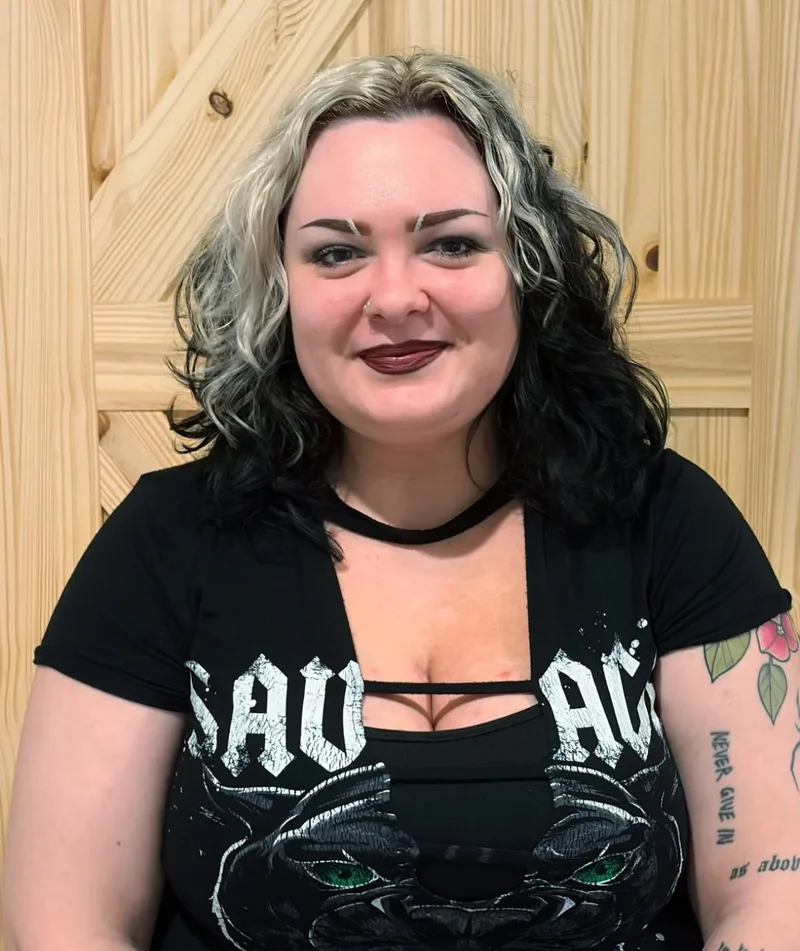
Joe Newton, founder of Condri

Joe Newton

Founder

Health anxiety, OCD, ADHD

Joe started Condri after struggling for years with health anxiety, OCD, and ADHD. He knows the loop from the inside: searching symptoms, trying to get certainty from appointments and tests, and finding that the relief never lasted. At its worst, health anxiety was taking over his life. Condri began with the question: Why is it so hard to get help that helps? He now hosts the Condri podcast, where he interviews psychiatrists, doctors, and people who have lived it.

George Punter, co-founder of Condri

George Punter

Co-founder, product and engineering

Builds the system

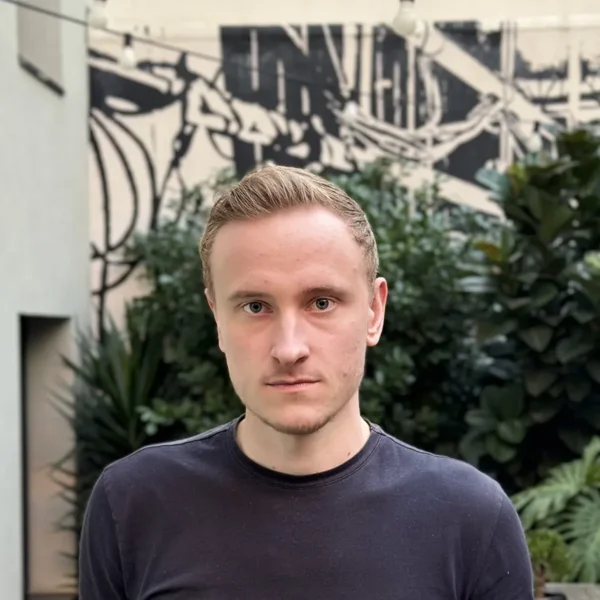
George had already spent years building mental-health software before Condri. He studied engineering at Imperial College London, and was diagnosed with bipolar when he was 23. After a long recovery he built a bipolar app, was CTO at Baseline, then Head of Product and Engineering at Sway Health, the top virtual bipolar clinic in the US, where he built the telehealth stack from the ground up. Condri is his third mental-health app, and he is obsessed with building a perfect product. He recently became a dad, which has been a lesson in tolerating uncertainty and imperfection. If you see any mistakes blame the baby.

Read George's profile →
Karolina Maria Martin, Consultant Psychologist for Condri

Karolina Maria Martin

Consultant Psychologist – Anxiety & Wellbeing

Keeps the app grounded

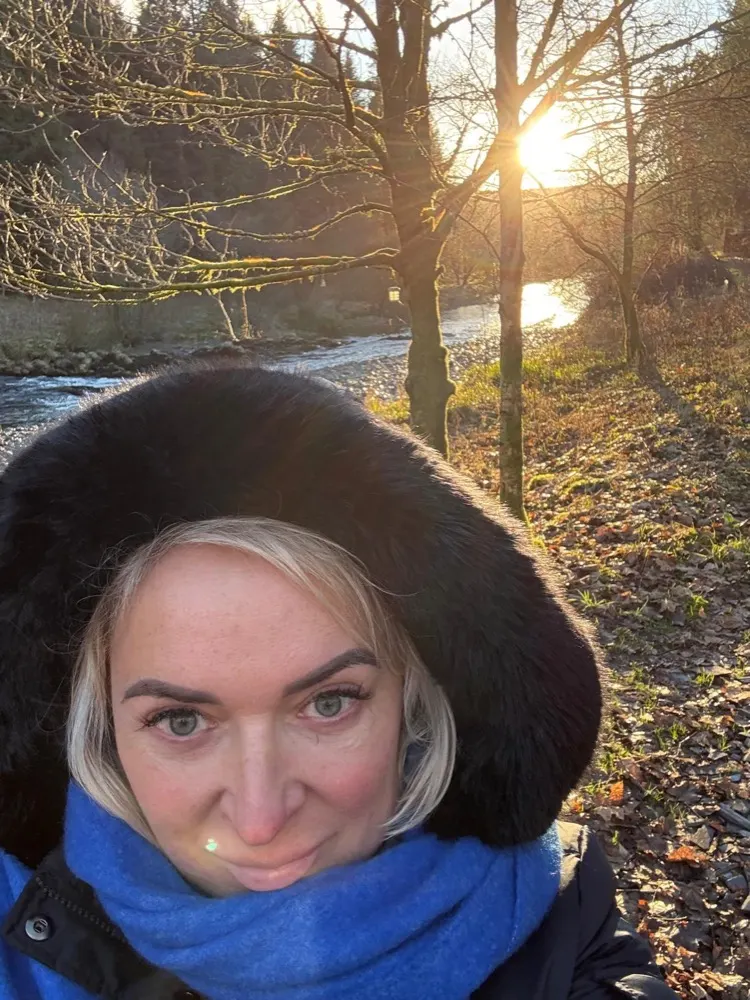
Karolina is a Consultant Psychologist, Systemic Psychotherapist, Group Analyst, and trauma specialist. She has worked for 28 years across the NHS and private practice, with experience in health anxiety, chronic conditions, and the mind-body relationship. What started as an outside review of Condri turned into something closer: over time it became clear there was a deep alignment in values, vision, and mission, and she joined as Consultant Psychologist for Anxiety & Wellbeing, ensuring the app remains clinically in line with CBT, ERP, ACT and mindfulness principles. She also leads live community sessions, including guided relaxation and mindfulness-based practices, as Condri continues to evolve its focus on everyday wellbeing.

Read Karolina's profile →
Sankhadeep, app engineer for Condri

Sankhadeep

App engineer

Pushes the app further

Sankhadeep pushes the boundaries of what a wellness app can technically do: richer interactions and the next-level Condri moments that make people stop and share. His open-source work has 20,000+ GitHub stars, and his Condri demos have gone viral on tech Reddit. Sankhadeep is not just a developer, he seeks to understand others and has a strong sense of karma.

See the Reddit post →
Sofia Lopes, volunteer designer for Condri

Sofia Lopes

Volunteer designer

Designed Pip

Sofia loved (or hated?) Condri so much that she volunteered to help us with design for free. Either way, we're happy she did. Sofia designed Pip by hand, helps shape the product, and gives George great pointers on design.

Support Sofia by buying her artwork →
Pip waving

Pip

Condri mascot

Designed by hand

Pip is there to witness your journey and help guide you. Not to diagnose, overrule a doctor, or offer certainty about your body. In the early days of Condri he was AI-generated, but got obliterated (redrawn by hand) by Sofia. Her version is much better.

Our stance

Kind, but not reassuring.

01

Tell the truth, even when it is uncomfortable.

Health anxiety recovery is not a trick for feeling certain. It usually means practising uncertainty and doing the thing anxiety tells you not to do.

02

Do not sell reassurance back to people.

A calming sentence can become another compulsion. If a feature gives short-term relief but keeps the loop alive, it does not belong in Condri.

03

Keep the warmth without colluding.

Condri can be gentle, funny, and encouraging. It still has to nudge people toward resilience rather than checking, Googling, or asking one more person.

04

Point back to real life.

The goal is not to become a better symptom tracker. It is to spend less time checking, asking, avoiding, doubting, looping. Our ideal case is you will stop using Condri because you're back living your life.

Outside the team

We don't mark our own homework.

Prof Lynne Drummondled the UK's nationally commissioned service for severe OCD and body dysmorphic disorder from 1985 to 2020, one of only a handful of such services in the country. She trained under Isaac Marks, who pioneered exposure therapy. We interviewed her about why health anxiety runs the same compulsive cycle as OCD, and what actually breaks it.

She is now writing a health anxiety book with Joe and Laura J. Edwards. The publishers aren't convinced the market is big enough yet. We think they're wrong about that.

Want the clinical side too?

The team story is one half of the story. The other half is the method: what Condri uses, who we've spoken to, and where the evidence comes from.